
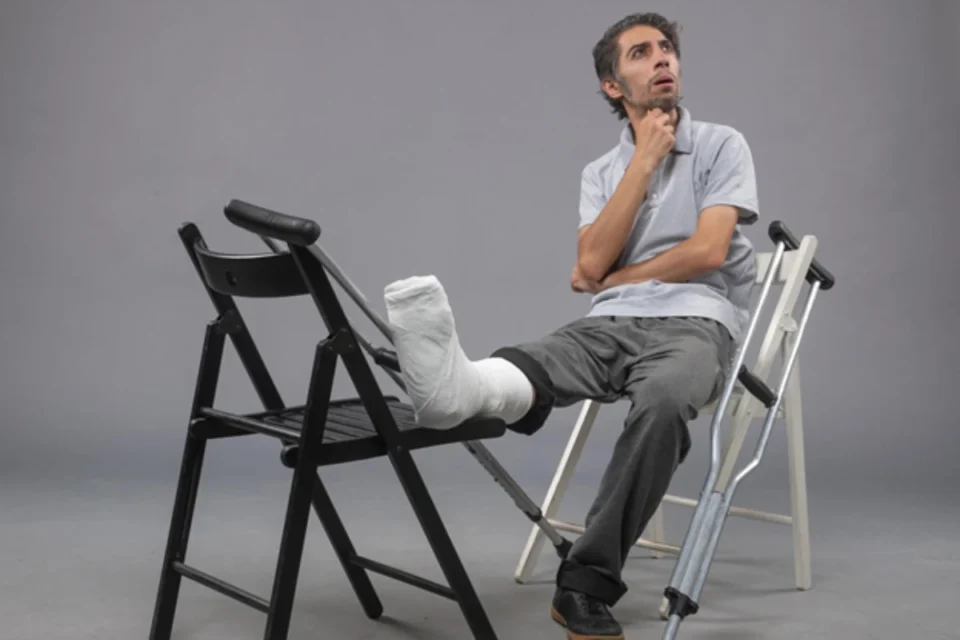
A workplace injury changes everything overnight. One minute you are doing your job like any other day, and the next, you are sitting in a doctor’s office, unsure what happens next. Most advice out there focuses on filing paperwork or getting back to work fast. But real recovery is about more than checking boxes. It touches your body, your mind, and your daily habits. Let’s look at the parts of healing that often get skipped.
Table of Contents
First Things First: Protect Your Health and Your Rights
When an injury happens on the job, your first priority is medical care. See a doctor right away, even if the injury feels minor. Some injuries, like back strain or nerve damage, quietly get worse if ignored. So don’t wait it out and hope for the best.
Once you are stable, you will likely have to deal with your employer’s insurance company. This is where many people feel lost. Insurance forms are confusing. Deadlines pass quietly. Claims get delayed for reasons nobody explains clearly. If you feel unsure about your rights, talking to a worker injury lawyer can help you understand what you are owed, from medical costs to lost wages during recovery. This step is not about being difficult. It is about making sure your healing does not get slowed down by paperwork stress. After all, worrying about money while trying to recover only adds to the burden your body is already carrying.
Healing the Body: Beyond Rest and Ice Packs
Physical recovery takes more than rest and an ice pack. Depending on your injury, your doctor might suggest physical therapy, gentle stretching, or slightly newer options that support tissue repair. One approach gaining attention among patients recovering from strains and joint injuries is platelet-rich plasma therapy, a treatment that uses components from your own blood to encourage healing in damaged tissue. It is not a cure for everything, but it shows how recovery science keeps evolving beyond the basics most of us grew up hearing about.
Whatever path you choose, patience matters most. Rushing back to full activity before your body is ready often leads to re-injury, and that can restart the entire healing clock. Instead, follow your treatment plan closely, and check in with your doctor before pushing your limits. Small, steady progress beats a fast comeback that falls apart in a week.
The Recovery Step Everyone Forgets: Sleep and Emotional Rest
Here is something rarely mentioned in workplace injury advice. Getting hurt on the job can shake more than your body. It can leave you anxious, replaying the accident in your head, or lying awake at night for no clear reason. This is not a weakness. It is a normal response to a stressful, sometimes frightening event.
Poor sleep after an injury does not just leave you tired. It slows tissue repair, weakens your immune system, and makes pain feel sharper than it actually is. If you notice sleep issues after a traumatic event, do not brush them off as something you should just push through. Your body needs deep, steady sleep to repair itself, and your mind needs rest to process what happened.
A few habits can help. Try to keep a regular sleep schedule, even on days when you feel restless. Keep your room calm, dark, and cool. Avoid screens right before bed, since they tend to keep your mind alert when it should be winding down. And if the memory of the accident keeps resurfacing at night, consider talking to a counselor. There is no shame in needing support for the mental side of a physical injury.
Small Habits That Add Up
Beyond medical care and rest, small daily habits play a bigger role than most people expect. Eating enough protein supports tissue repair. Staying hydrated helps your body flush out inflammation. Gentle movement, even just short walks, keeps blood flowing to injured areas without overloading them. None of these habits work miracles on their own, but together, they create the kind of environment your body needs to heal properly.
It also helps to be kind to yourself during this time. Recovery rarely moves in a straight line. Some days will feel like progress. Others will feel like a setback. That is normal, and it does not mean you are doing anything wrong.
Bringing It All Together
A workplace injury is stressful in ways that go beyond the physical pain. It can affect your finances, your sleep, and your peace of mind all at once. Taking care of the legal and medical side early gives you room to focus on the parts of healing that truly need your attention, like rest, nutrition, and emotional support. Recovery is not just about getting back to work. It is about getting your whole self-back to feeling steady again. Give your body and mind the time they need, and lean on the right support when you need it.