
Your neighbor just adopted a Cane Corso. Beautiful dog. Massive. Within three months, he’s hiring lawyers because the dog bit a delivery person. The problem? He never researched what “protective” actually means.
Protective doesn’t mean aggressive. A Chihuahua lunging at strangers is aggressive. A Rottweiler calmly positioning itself between you and a threat—then standing down when you say so—that’s protective. Popular dog‑owner surveys show that loyalty is now one of the most desired personality traits among dog owners, but loyalty without training quickly becomes a liability.
Here’s what changes in 2026: You’re not just choosing a dog that barks. You’re choosing a decision‑making partner who needs to distinguish between your teenager sneaking in late and an actual intruder. That requires intelligence, trainability, and the right temperament match for your lifestyle—not just muscle.
Table of Contents
How to Choose a Protection Dog
Most articles list breeds. This one starts with you. Before you fall in love with a Belgian Malinois because it looks like a wolf, answer these questions.
1. Can you handle 2+ hours of daily exercise?
High‑drive breeds like the Belgian Malinois were originally bred for intensive work and long, focused days. Skip a day, and you’ll find chewed furniture. Skip a week, and you may end up with a neurotic, frustrated dog that starts inventing “jobs” you won’t like.
2. What’s your climate?
If you’re in Mumbai, Hyderabad, Chennai, or any hot, humid city, a double‑coated mountain dog like a Tibetan Mastiff will suffer. Short‑coated breeds like Dobermans and many native Indian breeds handle heat much better. Climate compatibility is now a critical consideration for Indian pet parents, yet many guard‑dog guides ignore this factor.
3. First‑time owner or experienced handler?
A Cane Corso in novice hands is a lawsuit waiting to happen. These dogs are powerful, highly intuitive guardians that read your uncertainty and may try to take charge. German Shepherds, while still serious working dogs, are generally more forgiving if you combine basic experience with proper professional training and socialization.
4. What does your family look like?
Family structure matters. Toddlers who grab ears and tails need patient breeds with high thresholds and lower reactivity. Single adults or couples can sometimes manage more aloof, one‑person guardians like Akitas, who bond intensely with one primary owner and may remain reserved with others.
The “Big Three”: Gold Standard Guardians
These breeds dominate global protection work for good reason—versatility. They can adapt to apartments or independent houses, blend with families or solo owners, and take on real jobs.
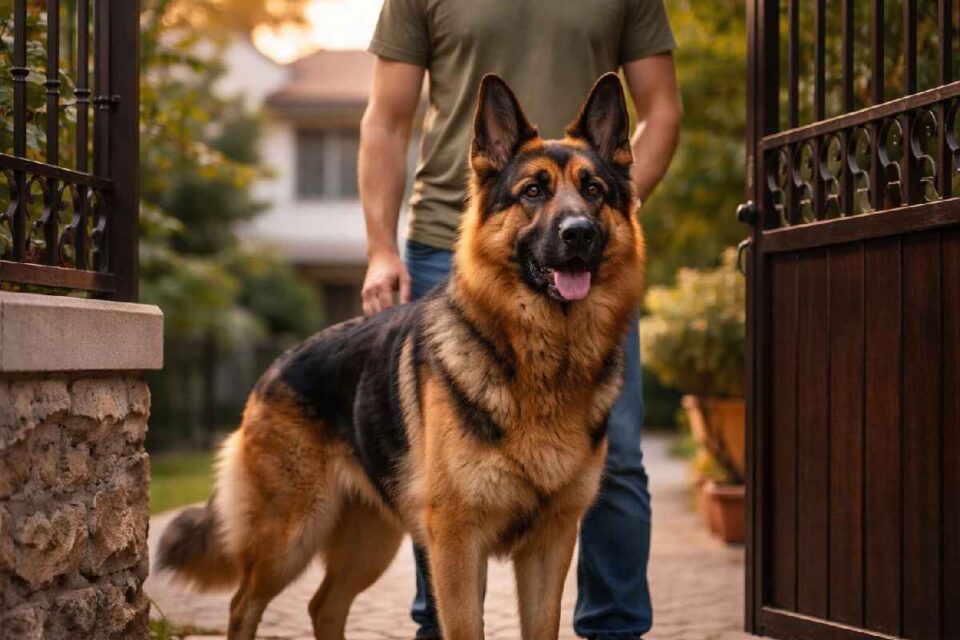
1. German Shepherd: The All‑Rounder
Intelligence meets trainability. German Shepherds are renowned for their loyalty and working drive, serving in law enforcement, search and rescue, detection work, and as devoted family protectors. Walk into many police K‑9 units worldwide, and you’ll see German Shepherds or close relatives.
What makes them special:
They naturally learn to distinguish threats from non‑threats when properly socialized. Your mail carrier becomes “familiar human” after a few visits, not a perpetual enemy. They thrive when they have a job—patrolling your home, accompanying you on walks—and instinctively position themselves between owners and perceived threats.
The trade‑offs:
-
Shedding: They blow their double coat seasonally, and you’ll vacuum often.
-
Health: Hip dysplasia and other orthopedic issues are well known in the breed, and surgery can become expensive in India.
Climate rating: Moderate – can manage Indian summers with shade, water, and avoiding peak‑heat exercise, but not ideal for extreme heat without cooling.
Handler level: Possible for committed first‑time owners who invest in professional training and daily exercise.
Bite force: Commonly cited estimates around 230–240 PSI; these numbers come from non‑standardized tests and should be viewed as approximate, not lab‑certified.
2. Rottweiler: The Intimidator
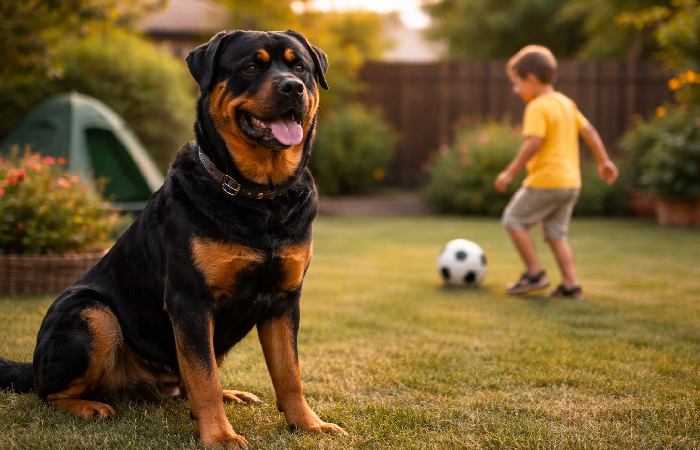
One look is enough to make most intruders rethink their plans. Rottweilers have a “wait and see” temperament—they observe first and react second. Historically bred as cattle‑driving and guarding dogs, they’re powerful, confident, and built to work.
The superpower:
Physical presence. Adult males can reach well over 45–55 kg of solid muscle. Yet, with family, well‑bred and well‑socialized Rottweilers are often massive softies—calm, cuddly, and deeply attached to their people.
What goes wrong:
Overprotection without socialization. A Rottweiler that’s never exposed to strangers during puppyhood becomes suspicious of everyone. Without clear, consistent training, that suspicion can turn into reactivity or genuine aggression.
Climate rating: Good with management – short coat tolerates Indian heat reasonably well, provided they have shade, water, and no heavy exercise at peak temperatures.
Handler level: Intermediate – you need confident handling, clear rules, and a commitment to structured training.
Bite force: Popular lists quote around 320–330 PSI; again, treat these as rough estimates, not exact scientific numbers.
3. Doberman Pinscher: The “Ferrari” of Guard Dogs
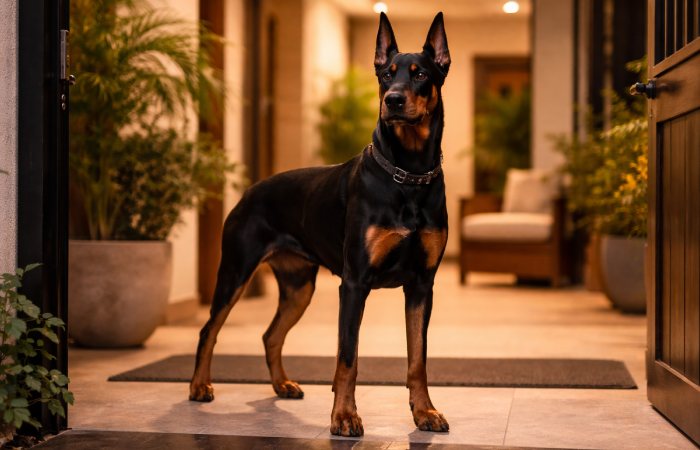
Sleek. Fast. Intensely loyal. Dobermans are climbing popularity charts in several regions, helped in part by their striking look and strong social‑media presence. They’re often called “Velcro dogs” because they follow their owners from room to room.
Perfect for:
Women or men living alone who want a dog that both intimidates strangers and showers family with affection. A 30–35 kg Doberman at the door fundamentally changes how unknown visitors behave.
Energy demands:
High. Think daily runs or structured play, not just a quick walk around the block. Under‑exercised Dobermans can become anxious, destructive, or develop repetitive behaviors.
Climate rating: Excellent – minimal coat makes them one of the most heat‑tolerant large guard breeds for Indian conditions.
Handler level: Possible for first‑time owners willing to commit to consistent exercise, early socialization, and professional training; not suitable for casual or inconsistent households.
Bite force: Frequently estimated in the 240–300 PSI range; as with other breeds, treat these figures as broad indicators of strength, not precise lab results.
The “Gentle Giants”: Family‑Safe Protectors
These breeds combine intimidating size with generally patient temperaments. They can be excellent in homes with children when bred, socialized, and trained responsibly.
4. Boxer: The Playful Guardian
Don’t let the clownish behavior fool you. Boxers can be serious guardians when it matters. They’re strong, energetic dogs known for playful, bouncy personalities while still being protective of their families.
The family advantage:
Boxers often have a high tolerance for rough, clumsy handling from young children when properly socialized. When a situation turns genuinely threatening, the playfulness disappears and they step into defender mode.
Exercise needs:
Around 60–90 minutes of daily physical activity and mental stimulation. They were developed for stamina and athleticism.
Climate rating: Good – short coat suits warm climates, though their brachycephalic (short‑nose) structure means they should avoid heavy exercise in extreme heat.
Handler level: Generally forgiving of first‑time owners who commit to training and outlets for energy.
5. Bullmastiff: The Silent Sentinel
If Rottweilers are intimidators, Bullmastiffs are blockers. They’re known for using their body weight to deter and block intruders rather than barking endlessly. Picture 50–60 kg of solid muscle quietly standing in a doorway—most intruders will reconsider their life choices.
The appeal:
-
Relatively low energy compared to high‑drive working breeds
-
Content with moderate daily walks and time with family
Temperament:
Calm until the situation calls for action. They’re less likely to chase small animals or react to every minor noise, but they take their territory and family seriously.
Climate rating: Moderate – their sheer mass and somewhat shorter muzzle make them prone to overheating in Indian summers. Owners may need fans or AC in peak months.
Handler level: Intermediate – their size demands good leash manners and basic control.
The “Elite Tier”: For Experienced Handlers Only
These breeds deliver maximum protection potential but demand maximum commitment. First‑time owners should look elsewhere and even intermediate owners must be realistic about time and training.
6. Belgian Malinois: “German Shepherd on Caffeine”
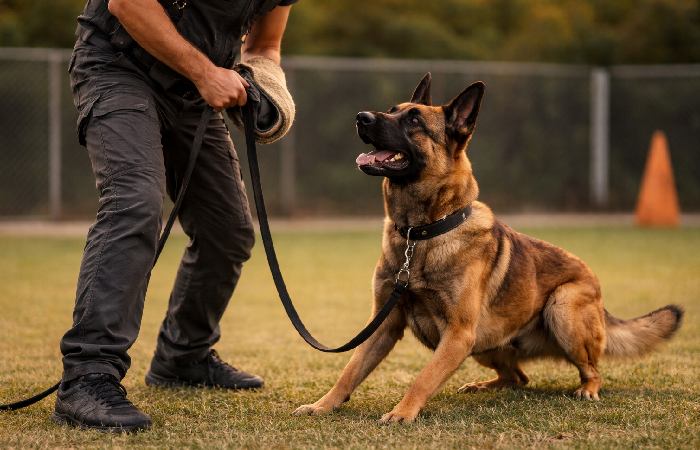
If you’ve watched modern military or police K‑9 footage, you’ve probably seen a Belgian Malinois in action. They are one of the preferred dogs for elite units because of their speed, agility, and focus.
Why regular homes fail:
This breed was developed to work several hours a day—herding, patrolling, or training. In a typical suburban household with nothing to do, Malinois will create their own “jobs,” often destructive ones like chewing walls, dismantling furniture, or escaping.
The trade‑off:
In the right hands, they’re precision instruments: fast, responsive, and capable of extremely complex tasks, much like related Belgian Shepherd varieties, which are known for their high intelligence, natural prey drive, and eagerness to please.
Climate rating: Good – short coat manages heat fairly well, but they still need cool rest spaces after intense work.
Handler level: Expert – plan on at least 2 hours of total training, exercise, and structured activity daily.
Bite force: Common estimates sit around 200–250 PSI; what really matters is their speed and technique, not just raw pressure.
7. Cane Corso: The Bodyguard
The Cane Corso, an Italian mastiff‑type guardian, has climbed steeply in popularity, moving from outside the top 40 to the mid‑teens in AKC lists over roughly a decade. This dog doesn’t just guard—it projects authority.
The reality:
With strong jaws and a heavily muscled frame, Cane Corsos are formidable. Popular bite‑force rankings sometimes place them around 600–700 PSI, but such figures come from limited, non‑standardized tests and should be treated as rough indicators, not precise measurements.
Training imperative:
Professional training and early, intensive socialization are non-negotiable, especially if you start with a young dog; if you plan to buy rather than adopt, be extremely selective when looking at Cane Corso puppies for sale and work only with ethical, health-testing breeders.
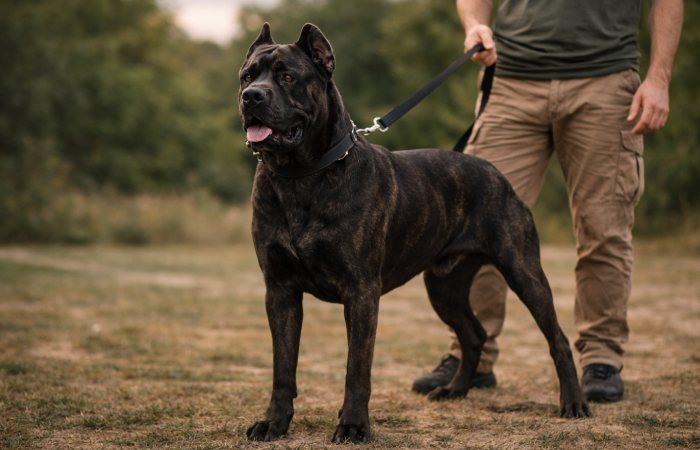
Climate rating: Generally suitable for heat due to a short coat, but exercise should be limited during the hottest hours.
Handler level: Expert – they need strong, calm leadership and consistent boundaries from day one.
8. Tibetan Mastiff: The Independent Fortress
Historically used to guard Himalayan monasteries and livestock, Tibetan Mastiffs are nocturnal by nature, often more active at night and calmer by day. They were bred to make independent decisions with minimal human direction.
The challenge:
Independence that borders on stubbornness. These dogs are not eager obedience competitors; they may ignore commands if they judge the situation differently.
Climate rating: Poor for heat – their thick double coat is designed for mountain cold, not Indian plains. In warm climates, they may need AC and careful management.
Handler level: Expert – owners must respect their independence while still enforcing safety rules.
Bite force: Some lists estimate 500–550 PSI, but again, treat these as rough, unverified figures rather than scientific values.
The “Unconventional” Protectors
These breeds protect through a mix of athleticism, independence, and sharp instincts rather than sheer intimidation.
9. Rhodesian Ridgeback: The Lion Tracker
Developed in southern Africa to track and hold lions at bay, not to kill them, Rhodesian Ridgebacks are athletic, courageous, and independent.
The advantage:
They combine stamina, speed, and nerve. They’ll stand their ground against threats without the excessive reactivity seen in some fighting‑type breeds, provided they’re properly socialized.
Climate rating: Excellent – bred in African climates, they generally handle heat very well.
Handler level: Intermediate – independence means they need patient, consistent training and a firm recall.
10. Akita: The One‑Person Loyalist
Akitas are famous for fierce loyalty and protective instincts, best known through the story of Hachiko, the dog who waited at a station for his deceased owner for years.
The trade‑off:
They tend to be aloof or even suspicious with strangers and can be dog‑selective or dog‑aggressive if not socialized well. Without early exposure to a variety of people and situations, that aloofness can harden into aggression.
Climate rating: Moderate – double coat requires regular grooming and some climate control in very hot regions.
Handler level: Intermediate to expert – strong, confident handling and early training are key.
11. Giant Schnauzer: The Working Specialist
Think of a Standard Schnauzer scaled up and dialed into working‑dog mode. Giant Schnauzers are energetic, strong‑willed, and among the most serious guard breeds for experienced owners.
The niche:
They excel on farms and large properties where they have room to patrol and work. In tight apartments without mental stimulation, they can become frustrated.
Climate rating: Moderate – their dense coat needs regular grooming and can trap heat if not properly maintained.
Handler level: Intermediate and above – they need training, boundaries, and a job.
Breeds at a Glance
| Breed | Size (lbs) | Heat Tolerance | Kid Friendliness | Handler Level | Bite Force (PSI, est.) |
|---|---|---|---|---|---|
| German Shepherd | 65–90 | Moderate | High | Committed Novice | ~238 (approx.) |
| Rottweiler | 110–130 | Good | Moderate | Intermediate | ~328 (approx.) |
| Doberman Pinscher | 60–100 | Excellent | High | Committed Novice | ~245–305 (approx.) |
| Boxer | 50–80 | Good | Very High | Novice | ~230 (approx.) |
| Bullmastiff | 100–130 | Moderate | High | Intermediate | ~500+ (approx.) |
| Belgian Malinois | 40–80 | Good | Low | Expert | ~195–245 (approx.) |
| Cane Corso | 90–120 | Good | Low | Expert | ~600–700 (approx.) |
| Tibetan Mastiff | 100–160 | Poor | Moderate | Expert | ~500–550 (approx.) |
| Rhodesian Ridgeback | 70–85 | Excellent | Moderate | Intermediate | ~224 (approx.) |
| Akita | 70–130 | Moderate | Low | Intermediate | ~350–400 (approx.) |
Best Guard Dogs for India: Climate & Legal Realities
In 2024–2025, a central circular proposing bans on several so‑called “aggressive” dog breeds led to confusion in India. Later clarifications indicated that this circular would not automatically become a blanket nationwide ban, but individual states and municipalities still hold power to issue their own restrictions.
Breeds with legal concerns in parts of India:
-
Pitbull‑type dogs (banned or restricted in several jurisdictions)
-
Rottweiler (restricted in some municipalities)
-
Kangal, Dogo Argentino, Boerboel, and similar large guardians facing import or breeding restrictions in some areas
Always check local municipal rules and state notifications before bringing home a high‑profile guard breed.
Climate‑Optimized Breeds for Indian Conditions
-
Doberman Pinscher: Protective temperament, short coat, and lean build are well suited to India’s hot climate, especially in urban apartments and independent houses.
-
Rottweiler: Can adapt to heat with shade, hydration, and careful management; short coat reduces grooming needs in humid coastal regions.
Native Indian Breeds (Often Overlooked)
-
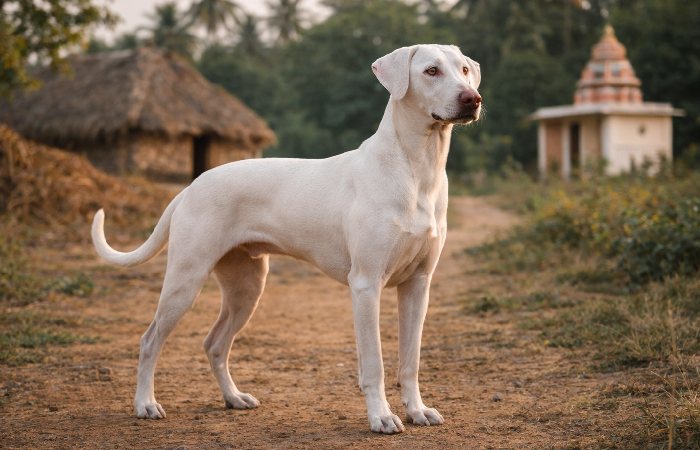
Rajapalayam: A rare Indian sighthound from Tamil Nadu, traditionally used to guard farms and estates. Lean, short‑coated, and wary of strangers, yet deeply loyal to the family.
-
Gaddi Kutta: A large Himalayan livestock guardian used to protect flocks from predators such as leopards and wolves. Calm in familiar contexts but fearless when working.
-
Bully Kutta (Indian Mastiff): A powerful guardian from the Indian subcontinent, known for strength and intimidating presence. Legal status varies regionally, and these dogs are recommended only for very experienced handlers.
Why native breeds matter:
They’re naturally adapted to local climates, common diseases, and typical food patterns. Many Indian vets are more familiar with their health issues, and acquisition costs are often significantly lower than heavily imported breeds.
[IMAGE: Rajapalayam dog in traditional Indian setting | ALT TEXT: Rajapalayam Indian native guard dog breed showing elegant build and alert protective stance]
FAQ & Myth Busting
What dog can kill a lion?
The myth persists because of the Rhodesian Ridgeback’s nickname “African Lion Hound.” In reality, guardian and hunting dogs were bred to track, harass, and contain lions in groups so human hunters could act—they were not meant to fight lions one‑on‑one.
Popular bite‑force rankings often list the Kangal at the top, with estimated readings around 700–750 PSI, followed by breeds like the Cane Corso in a similar high range. However, these values are approximations from limited tests and not standardized scientific benchmarks.
The truth:
-
Dogs are not designed to defeat adult male lions in combat.
-
Kangals and similar guardians were bred to fend off wolves and some large predators around livestock, not to kill apex big cats.
-
Lions combine massive body weight, claws, speed, and evolutionary specialization as ambush predators—no modern dog breed can reliably defeat that.
Bite force reality (approximate estimates)
-
Kangal: often cited around 700–750 PSI
-
Cane Corso: often cited around 600–700 PSI
-
Rottweiler: often cited around 320–330 PSI
-
Human: roughly 150–170 PSI in some studies
-
Lion: frequently estimated in the 600+ PSI range, depending on the source
These numbers vary widely and should be treated as rough rankings, not precision data.
Is the Kangal legal in India?
The Kangal, a giant livestock guardian from Turkey, appears on multiple lists of dog breeds proposed for restriction or ban in India. Import rules and local regulations differ by state and even by city, and enforcement can be inconsistent.
Practical issues:
-
Kangals are gigantic working dogs that need large outdoor spaces and real guarding jobs.
-
In small Indian apartments, they can become bored, stressed, and destructive, even if technically legal in that area.
Always verify current local regulations and consider lifestyle suitability before even thinking about importing or buying a Kangal.
Most Aggressive vs. Protective: What’s the Difference?
Here’s the definition that changes everything:
-
Aggressive dogs react to nearly everything—delivery people, neighbors, kids playing—with barking, lunging, or biting, often driven by fear or poor socialization.
-
Protective dogs discriminate. They interpret your cues, read situations, and reserve intense responses for genuine threats.
Owner surveys consistently show loyalty ranking as a top desired trait, often associated with breeds like German Shepherds; the real difference between a “loyal guardian” and a “dangerous dog” is training and socialization, not just genetics.
Training and early exposure create that difference. An untrained Rottweiler is a liability; a trained Rottweiler is a calm, confident guardian that rarely needs to use force.
Do Pitbulls or Boxers have “locking jaws”?
No. This is a myth. All dog skulls share the same basic jaw anatomy and none have a mechanical locking mechanism.
What people interpret as “locking” is actually extreme determination and grip strength—especially in bull‑type breeds selectively bred to hold on tightly once they bite. The danger lies in behavioral tenacity and poor training, not a special bone or hinge.
Best guard dog for women living alone?
The Doberman Pinscher frequently tops this category for a mix of factors:
-
Intimidating presence at doors and windows
-
Manageable size compared to some giant mastiffs
-
Strong bonding tendency (“Velcro” behavior) with their primary owner
-
Short coat and relatively low grooming needs
German Shepherds are a close second, especially when owners want higher flexibility for training in obedience, sports, or advanced protection work and are prepared for more grooming.
Guard dog training costs
In India (2025–2026 ranges):
-
Basic obedience course (group or structured program in metros): roughly ₹5,000–₹25,000.
-
Advanced protection or personal‑protection training: around ₹30,000–₹75,000.
-
Professional board‑and‑train programs (4–6 weeks): approximately ₹50,000–₹1,50,000 depending on city, trainer reputation, and curriculum.
In the US:
Advanced protection‑dog training packages frequently run from several thousand dollars to well above $10,000, with elite programs sometimes exceeding $20,000.
Skipping professional training to save money is usually false economy. A single serious bite incident can generate hospital bills, legal fees, and possible litigation costs that dwarf training expenses.
Training: The Non‑Negotiable Requirement
An untrained guardian dog isn’t a guardian—it’s a risk. Protective dogs must learn to differentiate between “stranger” and “threat,” and to obey commands even under high arousal.
The Socialization Window: 0–6 Months
Behavior specialists emphasize a critical socialization period roughly between 3 and 16 weeks, with ongoing benefits through about 6 months. During this time, puppies should be gently and positively exposed to:
-
Dozens of different people (ages, appearances, clothing styles)
-
Many friendly, vaccinated dogs of various sizes and breeds
-
A variety of environments (parks, streets, markets, elevators, cars)
-
Everyday sounds (traffic, doorbells, children playing, vacuum cleaners)
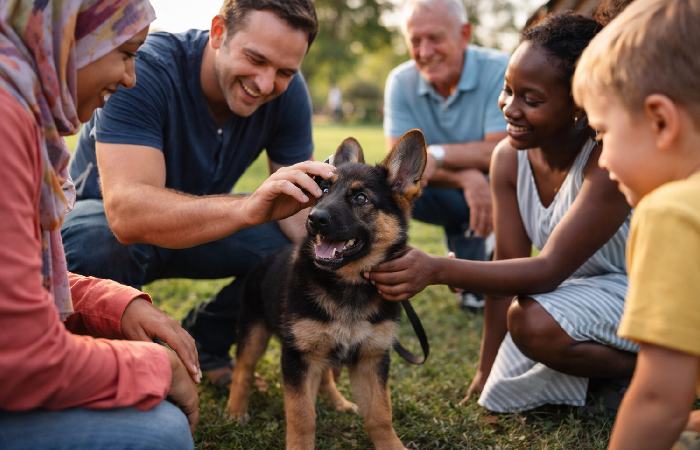
Think of numeric goals like “100 people, 50 dogs, 20 places” as ambitious guidelines, not strict rules.
What happens when you skip this:
-
A Rottweiler that never meets children may become fearful or reactive around them.
-
A German Shepherd exposed only to men may grow suspicious of women, or vice versa.
-
A Cane Corso raised in silent suburbs may panic in a noisy city environment.
When to Hire a Professional
Consider professional help immediately if:
-
Your breed appears in the “Expert” handler tier (Malinois, Cane Corso, Tibetan Mastiff, some Bully‑type breeds).
-
You’ve never trained a dog before.
-
Your dog shows any aggression beyond normal puppy mouthing—serious growling, stiff posturing, or snapping.
-
You’re adopting an adult dog with an unknown or problematic history.
Training costs are best seen as insurance. The cost of structured programs is almost always lower than the financial and emotional damage of a serious bite incident.
[IMAGE: Professional trainer working with German Shepherd on controlled protection exercise | ALT TEXT: Certified dog trainer conducting professional protection training with German Shepherd demonstrating controlled response]
Power & Myths: The “Strongest Dog” Question
The internet loves ranking “strongest dogs,” but strength is multi‑dimensional.
By Bite Force (Approximate Rankings)
Popular bite‑force lists, which rely on limited tests and anecdotal data, often rank:
-
Kangal near the top with estimated 700–750 PSI
-
Cane Corso in a similar high‑PSI range
-
Rottweiler significantly strong but below these giants
These figures are useful only as rough comparisons. Devices used, testing methods, and individual dog differences all change the numbers.
By Weight‑Pulling Capacity
Breeds like Newfoundlands and Saint Bernards, bred for hauling and rescue work, can pull massive loads thanks to body mass and endurance, even if their bite force is not the highest.
By Fighting Ability
This is the most dangerous category to obsess over. Guardian breeds such as Kangals and Rottweilers have been selected for strong bites, courage, and resilience, but “fighting ability” is a combination of:
-
Genetics (bite force, pain tolerance, drive)
-
Training (what humans teach or encourage)
-
Individual temperament and early experiences
Search engines are filled with “dog vs lion” fantasies. No modern dog breed can realistically defeat a healthy adult male lion. Breeds like the Rhodesian Ridgeback were developed to track and harry lions in groups so hunters could intervene, not to fight them solo. Lions prey on large animals like zebras; even a 50 kg dog is heavily outmatched.
The India Context: What Actually Works Here
Pet ownership surged in India during and after COVID, but many buyers focused on looks and prestige rather than climate compatibility.
Climate Challenges in India
-
Summer temperatures: frequently 35–45°C in major cities
-
Monsoon humidity: 70–90% along coasts
-
Limited access to 24/7 air conditioning in many middle‑class households
Breeds That Struggle in Indian Heat
-
Tibetan Mastiff (double coat for Himalayan cold)
-
Saint Bernard (Alpine rescue background)
-
Siberian Husky (Arctic working dog)
-
Newfoundland (thick, water‑repellent coat for icy waters)
These breeds often overheat, develop skin issues, and require expensive climate control and grooming support.
Breeds That Typically Thrive Better
-
Doberman: Short coat, agile, and widely recommended for warm climates when properly cared for.
-
Labrador Retriever: Often listed among the best choices for Indian homes due to adaptability and temperament, though they can still overheat if over‑exercised at midday in summer.
-
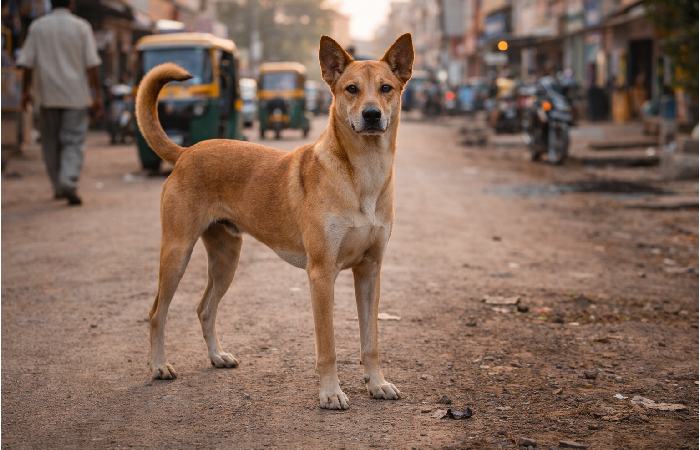
Indian Pariah Dog: Naturally evolved for local conditions with minimal grooming needs and strong disease resistance.
-
Rajapalayam and other native sighthounds: Built for Indian terrain and climate.
The “Imported Breed” Trap
Owners sometimes pay ₹50,000–₹2,00,000 for imported high‑profile breeds like Cane Corsos, Malinois, or giant mountain dogs and then face:
-
Heatstroke risks requiring emergency care
-
Chronic skin and coat issues from humidity
-
Food sensitivities to common local diets
-
Vets unfamiliar with rare breed‑specific conditions
Native and climate‑appropriate breeds are often 60–70% cheaper to acquire and maintain—and much easier to keep healthy.
[IMAGE: Indian Pariah Dog in urban Indian setting | ALT TEXT: Indian Pariah Dog demonstrating natural adaptation to Indian climate and urban environment]
Why Protective Dogs Need Extra Socialization
Here’s the paradox: the breeds with the strongest natural guarding instincts often require the most socialization and training.
Why?
-
Natural guardians like Rottweilers, Cane Corsos, and some shepherds are already wired to be suspicious of strangers.
-
Without socialization, every unfamiliar stimulus becomes a potential threat.
A poorly socialized German Shepherd may bark and lunge at almost everyone. A well‑socialized one learns that:
-
The mail carrier is routine and safe.
-
A stranger strolling past the gate requires only mild alertness.
-
A stranger rushing toward their owner in a dark lane might trigger a defensive response.
The Investment vs. the Cost
Approximate training investments:
-
Puppy socialization classes: ₹5,000–₹12,000
-
Basic obedience training: ₹15,000–₹25,000
-
Advanced control or protection‑foundation training: ₹30,000–₹75,000
Compare that to the potential cost of a single bite incident:
-
Medical treatment for the victim: ₹50,000–₹5,00,000+
-
Legal fees and potential compensation: ₹1,00,000–₹10,00,000+
-
Possible confiscation or euthanasia of the dog: emotional cost beyond calculation
As more owners in markets like the US and India treat pets as full family members, the training industry continues to grow, reflecting how critical professional guidance is for high‑drive breeds.
The Best Guard Dog Is Trained
You don’t want a dog that simply can fight. That’s a liability. You want a dog that knows when to stand down, when to warn, and—only if absolutely necessary—when to act.
There is no universal “best protective dog.” There is only the best match for your specific situation:
-
Busy professional in urban India: Doberman or a well‑bred German Shepherd with realistic time for exercise.
-
Farm with livestock: Dedicated livestock guardians like the Kangal or Great Pyrenees may work where legally allowed and practically feasible.
-
Family with young children: Boxers or Bullmastiffs (from responsible lines) are often better options than hyper‑intense working dogs.
-
Experienced handler wanting maximum protection: Cane Corso or Belgian Malinois with serious training and lifestyle commitment.
-
First‑time owner: A stable, well‑bred German Shepherd or Boxer, combined with professional training and a clear socialization plan.
Every breed in this guide can become a trusted guardian—or a serious danger. The difference is you: your honesty about your handler level, your climate and living space, your training budget, and your commitment to socialization.
Next Steps
-
Identify your true handler experience level.
-
Assess your climate, housing type, and daily schedule.
-
Calculate total cost of ownership (purchase, food, vet, and especially training).
-
Speak with certified trainers and reputable breeders or adoption centers before bringing any dog home.
-
Plan your puppy’s 0–6 month socialization calendar before you even pay a deposit.
Bringing home a high‑drive protective breed is a long‑term responsibility, not a status symbol. Done right, you gain not just a guard, but a loyal family member who keeps you safe without putting others at risk.
Disclaimer
The information in this article is for general educational purposes only and does not constitute veterinary, legal, or professional training advice. Dog temperament and behavior vary by individual, breeding, health, and environment. Always consult a licensed veterinarian, qualified dog trainer/behaviorist, and check your local laws and housing rules before choosing or training any guard or protection dog. The mention of specific breeders, services, or links does not imply endorsement; do your own due diligence before making any purchase or training decisions.