
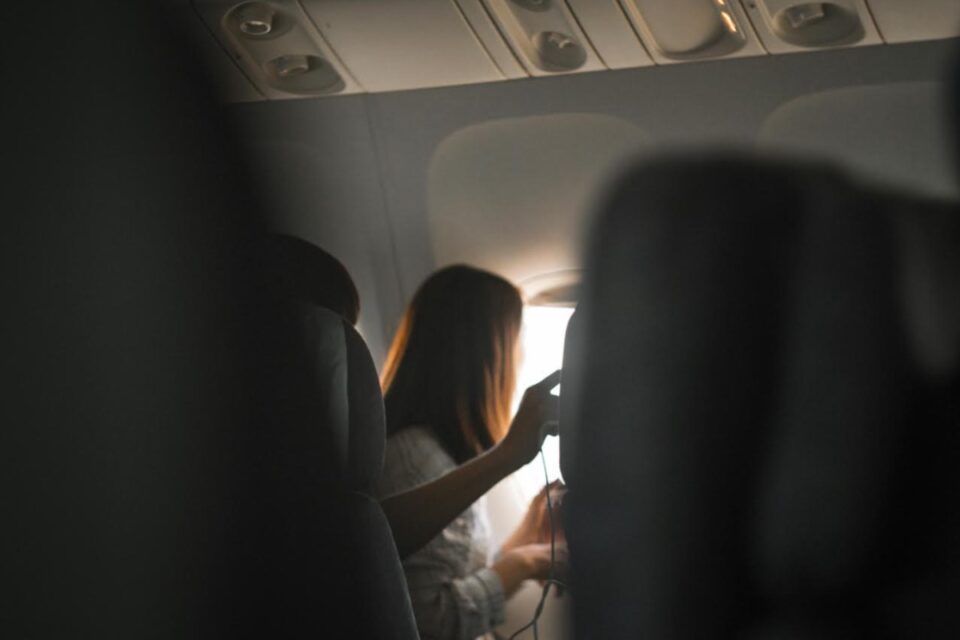
Fear of flying is far more common than many people realise. For some people, it’s a feeling of mild discomfort before take-off. For others, there can be weeks of anticipatory anxiety and physical symptoms. Some people may avoid air travel altogether.
What so frustrating about being afraid of flying is that it so often persists despite us knowing that flying is statistically very safe.
One reason fear of flying is so difficult to deal with is that it’s rarely about danger alone.
Instead, flying can trigger several causes of anxiety, including claustrophobia, a lack of control, unfamiliar noises, and bodily sensations during turbulence.
Once the brain links triggers with fear, the body can respond automatically. This can happen even when nothing is actually wrong.
Turbulence is a good example and a common trigger for people who are afraid of flying.
While pilots and engineers understand turbulence as normal, it can scare many passengers. When it happens in the air, the brain can interpret the sudden and erratic movements as a threat. This results in the release of adrenaline heightening anxiety.
Over time, if someone repeatedly experiences fear during flights, the brain learns to associate flying itself with danger. This is a process known to psychologists as conditioning.
Another factor is anticipatory anxiety. Many people report that the days or weeks before a flight are worse than the flight itself. Imagining worst-case scenarios like the flight being turbulent or even crashing can strengthen these fear pathways which keeps the nervous system on high alert.
You may find that avoiding flights brings short-term relief, but in the longer-term, it can reinforce fear of flying. This happens because avoiding getting on a plane confirms the brain’s belief that flying is dangerous.
To get over your fear of flying both education and psychological tools are involved. Understanding how aircraft are designed, how pilots are trained, and why certain sensations occur can reduce uncertainty. At the same time, learning how anxiety functions and how to regulate it helps people respond differently when fear arises. Resources such as Fly Above Fear focus on this balanced approach, combining aviation information and insights with evidence-based psychology.
Fear of flying isn’t a personal failure or a lack of courage. You’re not born with it, you learn it – and that means you can unlearn it. By challenging your perceptions with information, patience, and the right support, flying can become something you experience not fear.